The Cheerlune Journal
The Complete Guide to Planning a Memorable Party
 Cheerlune Journal
 · Party Planning
The Complete Guide to Planning a Memorable Party
A memorable party is not created by filling a room with decorations. It comes from thoughtful planning, a welcoming atmosphere and details that work together to make guests feel part of something special.

Before You Begin
The best parties feel effortless to guests because the important decisions were made long before anyone arrived.
Planning ahead gives you control over the guest experience, the visual direction and the practical details. Instead of making dozens of isolated choices, begin with a simple vision for how you want the celebration to look and, more importantly, how you want it to feel.
Whether you are organizing a birthday, family celebration, dinner party or another special occasion, the same principle applies: create a strong foundation first, then add the details that make the event personal.
The Planning Framework
Build your celebration around four essentials.
Before choosing individual decorations, organize the event around the people attending, the space available, the atmosphere you want and the practical flow of the celebration.
Purpose
Define what you are celebrating and what should make the occasion feel distinctive.
People
Plan around the number of guests and the type of experience that will make them comfortable.
Place
Let the size, layout and existing character of your space guide the scale of the party.
Atmosphere
Choose a clear mood that can guide your colors, decorations, table styling and lighting.
Define the Celebration
Start with the experience, not the decorations.
Before deciding on balloons, tableware or a color palette, think about what you want guests to remember. A relaxed family gathering requires a different approach from an energetic birthday party or an elegant evening celebration.
Write down a few words that describe the intended mood. Warm, playful, intimate, modern, colorful or sophisticated can each lead to very different choices. These words become a useful filter whenever you are deciding whether something belongs at the party.

Choose a focused palette.
Select a small group of complementary colors instead of trying to match every item perfectly. Consistency matters more than exactness.
Keep the concept flexible.
A theme should guide your decisions without making every plate, balloon and decoration repeat the same motif.
Guests & Space
Plan the room around the people in it.
Guest count influences nearly every practical decision. It determines how much seating, tableware, food, serving space and room for movement you will need.
Walk through the space as though you were a guest. Consider where people will arrive, leave belongings, get refreshments, sit, take photographs and move between different parts of the celebration.

Keep pathways open.
Avoid placing decorative displays where guests naturally need to walk. Beautiful styling should never make the room harder to use.
Create places to gather.
Arrange seating and tables so guests can naturally form smaller conversations without feeling separated from the celebration.
Decorations
Create a few memorable focal points.
Decorations are most effective when they direct attention rather than compete for it. Choose a few areas that deserve emphasis, such as the entrance, party table, cake display or photo area.
Balloons, banners, garlands and floral details can then be used to connect these areas visually. Leaving some surfaces simple gives the stronger decorative moments more impact.
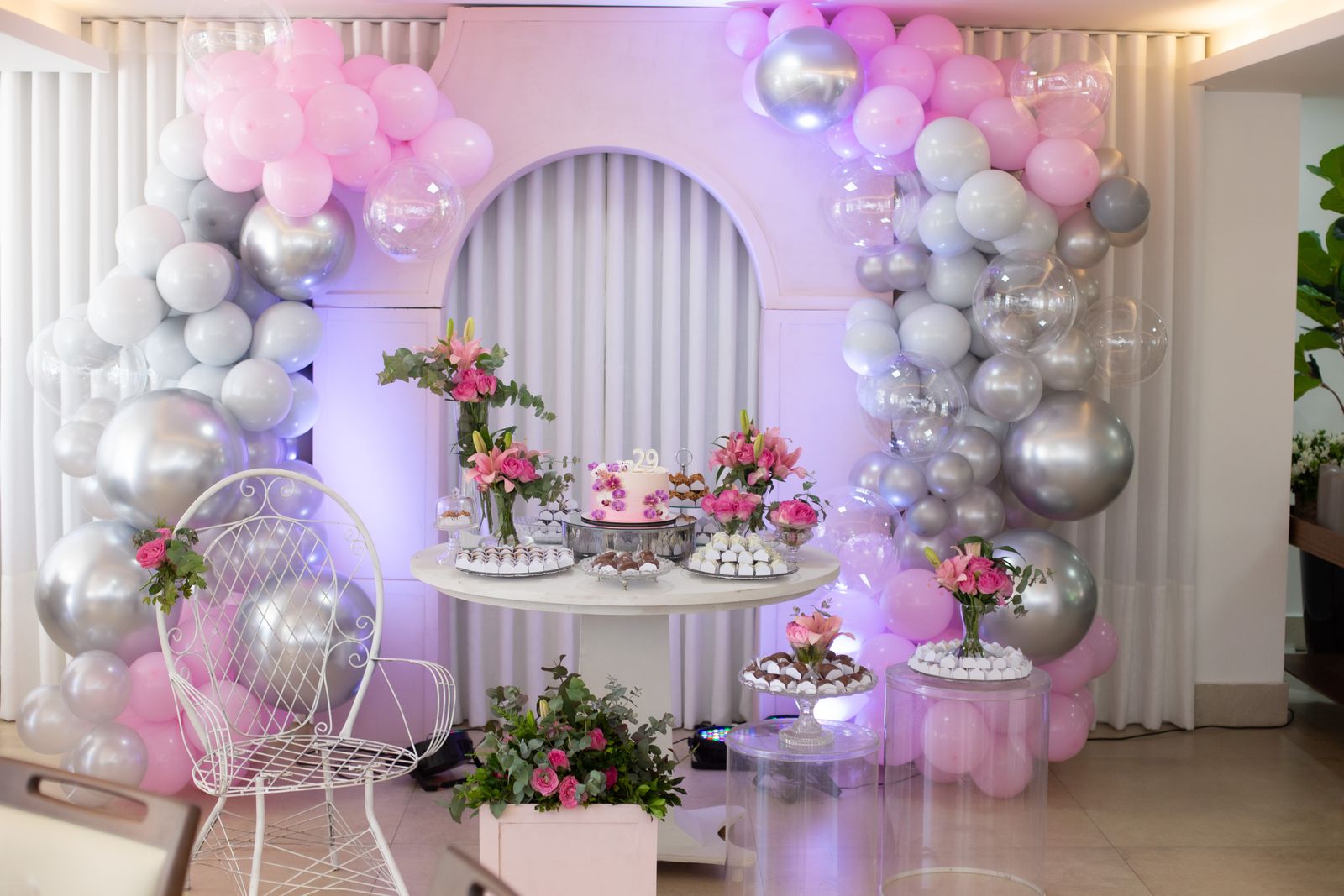
Give one feature room to shine.
A balloon arrangement, backdrop or styled cake table can establish the entire visual direction without filling every corner.
Echo details instead of duplicating them.
Repeat a color, shape or material in smaller ways around the room rather than recreating the same display several times.
“Guests remember how a celebration made them feel long after they forget every individual decoration.”Cheerlune Party Planning Principle
The Party Table
Make the table beautiful and easy to use.
Start with practical essentials and build the styling around them. Plates, cups, cutlery, napkins and serving pieces should be easy for guests to reach and should not become lost among decorative objects.
Coordinate tableware through color and finish, then add a restrained centerpiece or smaller accents. The result should feel inviting rather than overly arranged.

Coordinate rather than overmatch.
Pieces can vary slightly while still feeling cohesive when their colors, materials and overall level of formality work together.
Protect usable table space.
Keep decorative pieces proportionate so guests still have enough room for food, drinks and comfortable conversation.
Food & Refreshments
Make serving simple for everyone.
Food presentation is part of the party experience, but practicality should come first. Decide whether guests will sit for a meal, serve themselves or enjoy smaller foods throughout the event.
Position refreshments where guests can reach them without creating congestion. Keep frequently used items together and make sure there is enough clear surface area for serving.
Create a natural sequence.
Arrange serving pieces so guests can move from plates to food and refreshments without repeatedly crossing the same space.
Let the food contribute visually.
Thoughtful trays, serving pieces and simple arrangements can make refreshments part of the overall styling without excessive decoration.
Atmosphere & Entertainment
Plan what guests will experience between the big moments.
Music, lighting, conversation and activities shape the rhythm of a party. The best entertainment supports the occasion rather than making guests feel that every minute has been scheduled.
Build enough structure to keep the celebration moving, while leaving room for spontaneous conversation, photographs and moments that were never part of the original plan.

Match the energy of the room.
Begin with music that supports conversation and allow the energy to change naturally as the party develops.
Offer participation without pressure.
Games, photographs and activities work best when guests can join naturally rather than feeling that participation is mandatory.
A Simple Planning Timeline
Spread the work out so the final day feels manageable.
Set the foundation
Decide the occasion, approximate guest count, location, overall atmosphere and the main areas that need to be planned.
Plan the visual direction
Choose your palette and identify the decorations, tableware and focal points that will establish the party's look.
Organize practical details
Confirm seating, food, refreshments, serving arrangements, entertainment and the supplies needed for guests.
Style and test the space
Arrange the room, prepare the table, check pathways and make sure the important areas are easy for guests to find and use.
Stop adjusting and enjoy it
Once the essential details are ready, focus on welcoming guests rather than continuing to perfect the decorations.
Final Party Checklist
Check the essentials before the celebration begins.
A final review should focus on guest comfort and practical details, not on finding more things to add.
Guest areas are ready
Seating, pathways and gathering areas are clear, comfortable and appropriate for the number of people attending.
Tableware is organized
Plates, cups, cutlery, napkins and serving pieces are positioned where they will be easy to use.
Decor feels balanced
The strongest decorative areas have enough surrounding space to stand out without making the room feel crowded.
Food and drinks are accessible
Serving areas are easy to reach and arranged so guests can move through them without unnecessary congestion.
The atmosphere feels right
Lighting, music and room temperature support the mood you intended without distracting from conversation.
You are ready to host
The important work is finished. Give yourself enough time to stop setting up and be fully present when guests arrive.
Make It Memorable
Plan carefully, then leave room for the party to happen.
A memorable celebration does not require an endless list of decorations or complicated details. It needs a clear purpose, thoughtful preparation and an environment where guests can relax and enjoy being together.
Focus on the areas that shape the experience most: the space, table, food, atmosphere and the way people move through the event. Use decorations to support those elements rather than overwhelm them.
Once everything essential is in place, the most important part of hosting is being present. The conversations, laughter and unexpected moments are what ultimately turn a well-planned party into a memorable one.
Before guests arrive, look around the room once from their point of view. If the space feels comfortable, welcoming and easy to understand, your planning has already done its job.